Faceless Marketing: How to Grow Online Without Showing Your Face
Learn how to grow your online presence without showing your face with our guide to faceless marketing. Learn practical ways, simple tips, and useful tools to grow your brand, connect with your audience, and succeed while staying anonymous. This works well for bloggers, entrepreneurs, and content creators who want to succeed without giving up their privacy.
FACELESS MARKETING
By Dorothy | Digital Growth Academy Hub
10/31/20255 min read


Understanding Faceless Marketing
Faceless marketing is when a company promotes its products or services without highlighting individuals or personal branding behind the business. Faceless marketing puts the focus directly on the brand instead of relying on the creator’s personality or image to grab attention like regular marketing does. This allows businesses and content creators to create a clear identity that stands apart from the individual behind it.
Content creators and businesses often choose faceless marketing for a few different reasons. A big reason is that people worry about their privacy. It today’s digital age, personal info is easy to find, so lots of people choose to stay anonymous. This choice keeps personal information safe and also helps protect content creators from online harassment or unwanted attention.
Another driving factor behind faceless marketing is introversion. Many individuals may feel uncomfortable placing themselves in the spotlight, and thus choose to create content that allows them to remain behind the scenes. This method can foster authenticity by shifting the focus from the creator's persona to the actual product or service being offered. By focusing on the brand's message instead of the individual's identity, businesses can create content that connects better with their target audience and makes the brand stand out more clearly.
The rise of faceless brands shows the potential of this concept across various industries. Examples include companies that use animated characters, voiceovers, or stock imagery instead of featuring a real person. These brands often engage their audiences and build a loyal following by focusing on their unique selling propositions instead of the personalities behind their products. This trend shows that businesses can do well even without a visible face, pointing to how important brand identity is in the digital market.
Strategies for Faceless Marketing
Faceless marketing includes a diverse range of strategies that let individuals and businesses build an online presence without sharing their identities. One way to share information is by creating written content like engaging blog posts and informative articles. By focusing on topics relevant to your target audience, you can position yourself as an authority in your field. This approach emphasizes your expertise and encourages organic engagement through comments and shares, increasing your visibility without a personal stake.
Another powerful avenue is audio content, particularly podcasts. This format enables you to craft compelling narratives and discussions on subjects that resonate with listeners, effectively building a loyal following. Without the need for visual representation, podcasts offer a unique opportunity to convey personality and insights while maintaining anonymity. Regular episodes featuring expert guests can further elevate your platform's credibility and reach.
Utilizing animation and visual graphics is another innovative strategy for faceless marketing. By creating animated explainer videos or engaging infographics, you can visually communicate complex ideas while captivating your audience. These methods not only provide value but also foster brand recognition and identity. Tools available today make it easier than ever to produce high-quality visuals without the necessity of being on camera.
Social media platforms also present an excellent way to engage with audiences without revealing personal identity. By creating dedicated accounts for your brand, you can share informative content, conduct polls, and engage in discussions—all under a brand persona. This anonymity can be appealing, allowing you to connect with your community while maintaining a level of privacy.
Overall, successfully implementing these strategies can yield significant results in faceless marketing. Each tactic emphasizes the importance of consistent communication, relationship building, and community engagement while allowing marketers to grow their brands without the need for personal exposure.
Tools and Platforms for Faceless Marketing
Faceless marketing can effectively expand your online presence without revealing personal identity or appearance. Several tools and platforms are available that cater specifically to this marketing approach, enabling content creation, social media management, and anonymous communication across various formats.
To begin with, for content creation, applications like Canva and Adobe Spark are invaluable resources. These user-friendly graphic design tools allow individuals to create visually appealing images, infographics, and promotional materials. By utilizing pre-designed templates and customizable elements, marketers can maintain a professional appearance while remaining faceless. This is particularly useful for producing social media graphics or blog featured images that attract attention without requiring a personal brand image.
When it comes to social media management, platforms such as Hootsuite and Buffer streamline the scheduling and posting of content across various networks. These tools facilitate the management of multiple accounts and provide analytics to gauge engagement. Such insights enable faceless marketers to refine their strategies based on what resonates with their audience, ensuring consistent and effective outreach without compromising anonymity.
Furthermore, anonymous blogging platforms like Medium and podcasting services such as Anchor allow users to share their thoughts and insights without needing to reveal their identity. These platforms can significantly increase visibility and enable marketers to reach a diverse audience. By leveraging SEO techniques and quality content, faceless marketers can generate organic traffic while remaining behind the scenes.
In summary, the successful integration of these tools and platforms is essential for anyone looking to thrive in faceless marketing. By taking advantage of the right resources, marketers can enhance their visibility and effectiveness while keeping their personal identity hidden.
Success Stories of Faceless Marketing
Faceless marketing has emerged as a powerful strategy for individuals and brands seeking to establish a strong online presence without the necessity of personal exposure. Numerous case studies illustrate how various influencers and businesses have utilized this approach successfully, offering insights for others considering the same path.
One notable example is the YouTube channel "Kara and Nate," founded by a couple focusing on travel vlogs without showing their faces prominently. Instead, they crafted engaging narratives around their adventures, utilizing captivating visuals and compelling storytelling. Their approach allowed them to amass over two million subscribers and transform their travels into a full-time occupation. This case exemplifies that intriguing content can be more vital than the presence of a visible personality.
Similarly, the Instagram account "No Face Baking" has gained prominence by sharing delightful baking recipes without featuring the creator. The account focuses on mouth-watering images and detailed captions, effectively engaging followers who appreciate delicious food. By prioritizing the content and maintaining an air of mystery, they have cultivated a significant following and brand partnerships without revealing their identity.
The brand Brandless, which sells a range of consumer goods, used a faceless marketing strategy by focusing on its products instead of individual personalities. The company aimed to provide items that balanced quality and affordability, attracting a wide range of customers. Their focus on values instead of faces helped build customer trust and loyalty while avoiding the problems that come with personal branding.
These examples indicate that the realm of faceless marketing holds substantial potential for achieving significant growth. By harnessing creativity, focusing on quality content, and establishing a relatable narrative, brand builders can thrive while remaining behind the curtain. This innovative approach encourages others to explore the possibilities of faceless marketing, proving that success can indeed be realized without revealing one’s identity.
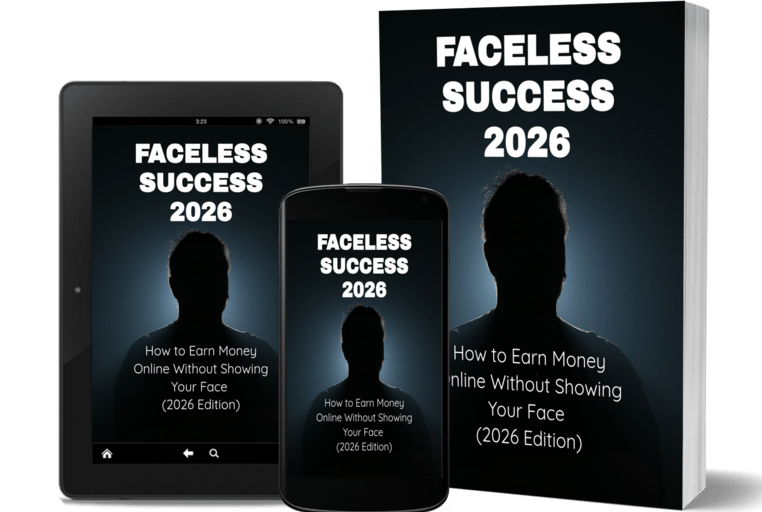
Want to earn money online anonymously? This guide explains how to start a faceless online business in 2026 using AI, digital marketing, and passive income strategies. Perfect for beginners looking for online side hustles, digital income streams, and smart automation tools.
FAQs
What is faceless marketing?
It’s growing your brand online without showing your face or revealing your identity.
Who benefits from this?
Bloggers, entrepreneurs, and creators wanting privacy while building their audience.
How do I start faceless marketing?
Begin by choosing content formats like voiceovers, animations, or text-based posts that don’t require personal photos or videos.
Are there tools to help?
Yes, tools like video editors and voice changers make it easier to stay anonymous.
Can I still connect with my audience?
Absolutely, authentic content and consistent engagement build trust without showing your face.
Is faceless marketing effective long-term?
Yes, with the right strategies, you can grow a loyal following while keeping your privacy intact.
Contact
Get in touch
Follow
Connect
© 2025. All rights reserved.